Whip Up Some Love
Posted on October 14, 2025 by Furry Paw Gifts
Your Ultimate Guide to Homemade Dog and Cat Food
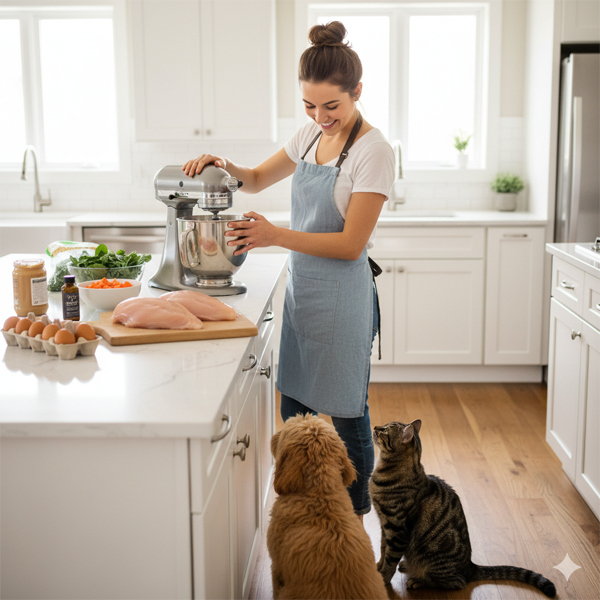
We’ve all been there. You’re standing in the kitchen, chopping fresh vegetables for your own dinner, and you look down at those two big, adoring eyes staring up at you. Your furry best friend is giving you the “Is any of that for me?” look, and in that moment, you might wonder, "Could I be doing more for their meals than just scooping kibble from a bag?"
The world of homemade pet food can seem like a daunting culinary mountain to climb. Is it safe? Is it expensive? Will my notoriously picky Siamese even touch it?
Take a deep breath and grab an apron, because we’re about to demystify the process! Making your own dog and cat food can be an incredibly rewarding, healthy, and even budget-friendly journey. This guide will walk you through the perks, the crucial precautions, and some fantastic starter recipes to get you cooking for your favorite critter.
The Paw-sitive Perks: Why Go Homemade?
Before we dive into the nitty-gritty of proteins and portion sizes, let's talk about why so many pet parents are trading in their can openers for crockpots.
1. You Are the Head Chef (and Quality Control!)
The number one benefit of homemade pet food is control. You know exactly what goes into your pet’s bowl. There are no mysterious "meat by-products," unpronounceable preservatives, or cheap fillers like corn and soy that can sometimes cause digestive issues. This is especially life-changing for pets with allergies, skin sensitivities, or specific dietary needs. If your dog is allergic to chicken, you simply don’t use it!
2. The Power of Fresh, Whole Ingredients
Imagine the difference between eating a fresh, grilled chicken breast with roasted sweet potatoes and carrots versus a highly-processed protein bar every day. That’s the kind of difference we’re talking about. Homemade food is packed with the natural vitamins, enzymes, and moisture found in whole foods, which can lead to shinier coats, healthier skin, increased energy, and better digestion.
3. Let's Talk Turkey… and Dollars: The Cost Savings
This one might surprise you, but yes, homemade pet food can be cheaper than premium commercial brands. The key is to be a savvy shopper.
-
Buy in Bulk: Purchasing larger quantities of meat, rice, or oats can significantly reduce the cost per pound.
-
Seasonal Shopping: Base your vegetable choices on what’s in season and on sale at your local grocery store or farmer's market.
-
Befriend Your Butcher: Cheaper, tougher cuts of meat that are perfect for stewing or grinding are often ideal for pet food. Organ meats like liver and heart are nutritional powerhouses and are incredibly inexpensive.
While it might not be cheaper than the most budget-friendly kibble on the shelf, when you compare the quality of ingredients to that of high-end, "human-grade" commercial pet food, you’ll often find your wallet comes out ahead.
4. The Bonding Bonus
There’s something uniquely special about preparing a meal for someone you love, and that includes our four-legged family members. The process of cooking for your pet can be a wonderful bonding experience. They’ll love the delicious smells wafting from the kitchen, and you’ll feel a deep sense of satisfaction watching them eagerly devour a healthy meal you prepared with your own two hands.
Hold Your Hounds! The Crucial Considerations Before You Start
Okay, we’re all excited, but it’s time for some important real talk. Making homemade pet food is more than just tossing some leftovers in a bowl. To do it safely and effectively, you absolutely must keep these points in mind.
Nutrition is a Science, Not a Guessing Game.
This is the single most important rule. Dogs and cats have very specific and different nutritional needs. An unbalanced diet, even one made with love and the best ingredients, can lead to serious health problems over time.
-
Cats are Obligate Carnivores: This means they must have meat to survive. Their diet requires high levels of animal-based protein and fat, along with specific amino acids like taurine (crucial for heart and eye health) and arachidonic acid, which are only found in animal sources.
-
Dogs are Omnivores: While they thrive on protein, dogs can also digest and utilize nutrients from grains, fruits, and vegetables. They need a balanced mix of protein, fats, carbohydrates, and specific vitamins and minerals, especially calcium and phosphorus.
Your Veterinarian is Your Co-Pilot.
DO NOT START A HOMEMADE DIET WITHOUT CONSULTING YOUR VET. We can’t stress this enough. Every animal is an individual with unique health needs based on their age, breed, activity level, and any existing medical conditions. Your vet, or a certified veterinary nutritionist, can help you formulate a recipe that is perfectly balanced for your specific pet. They can guide you on portion sizes, recommend essential supplements, and ensure you’re not accidentally omitting a critical nutrient.
The Building Blocks: A Nutritional Cheat Sheet
Once you have your vet’s blessing, it’s time to stock your pantry. Here’s a general overview of the components you’ll be working with.
For the Dogs (The Omnivore’s Delight)
A good rule of thumb for a basic dog food recipe is a ratio of about:
-
50% Protein: Lean muscle meat (chicken, turkey, beef, lamb), fish (like salmon or sardines, packed in water), and eggs.
-
25% Complex Carbs: These provide energy. Think brown rice, quinoa, barley, oats, and sweet potatoes.
-
25% Fruits & Veggies: A fantastic source of vitamins and fiber. Great options include carrots, green beans, peas, spinach, pumpkin, and blueberries.
-
Healthy Fats: A small amount of healthy fat is essential for skin and coat health. A drizzle of fish oil or flaxseed oil works wonders.
-
Calcium: Cooked meat is low in calcium. You’ll need to add a calcium source, like ground eggshells or a supplement recommended by your vet.
DOG FOODS TO AVOID: Onions, garlic, grapes, raisins, chocolate, avocado, macadamia nuts, and anything with xylitol (an artificial sweetener).
For the Cats (The Obligate Carnivore’s Corner)
Cats are a different ball game entirely. Their diet should be almost entirely meat-based.
-
80-90% High-Quality Animal Protein: This should be the star of the show. Use dark meat poultry (thighs are better than breasts for their higher taurine content), beef, or lamb. Incorporating organ meats like liver (in small amounts, as it’s very rich in Vitamin A) and heart (an excellent source of taurine) is non-negotiable.
-
Healthy Animal Fats: Fat provides energy and is crucial for a cat’s health. Don't trim all the fat off the meat!
-
A Tiny Bit of Fiber (Optional): A spoonful of pureed pumpkin or squash can help with digestion, but it's not a dietary requirement.
-
Essential Supplements: A homemade cat diet will almost certainly require supplements. You will need to add taurine, a balanced calcium/phosphorus source, fish oil for omega-3s, and a vitamin B-complex, among others. Again, your vet is your guide here.
CAT FOODS TO AVOID: Most vegetables and all grains. Absolutely no onions, garlic, or grapes.
Let's Get Cooking! Starter Recipes to Discuss With Your Vet
Remember, these recipes are fantastic starting points. Show them to your veterinarian to see if they are a good fit for your pet or if they need any adjustments.
Recipe 1: "The Good Boy" Basic Dog Bowl
This balanced, simple recipe is a great introduction to homemade dog food. It makes about 6 cups of food.
Ingredients:
-
1 lb ground turkey or lean ground beef
-
1 cup chopped carrots
-
1 cup green beans (fresh or frozen)
-
1/2 cup brown rice, uncooked
-
3 cups water
-
1 tablespoon fish oil (or flaxseed oil)
-
Calcium supplement (as directed by your vet or by using finely ground eggshells)
Instructions:
-
Place the ground meat, brown rice, and water into a large pot or Dutch oven.
-
Bring to a boil, then reduce heat to a simmer. Cook for about 15 minutes, breaking up the meat with a spoon.
-
Add the chopped carrots and green beans to the pot.
-
Cover and continue to simmer for another 10-15 minutes, or until the rice is fully cooked and the vegetables are tender.
-
Remove from heat and let it cool completely.
-
Stir in the fish oil and your vet-approved calcium supplement.
-
Serve according to your vet's portion size recommendations. Store leftovers in an airtight container in the fridge for up to 4 days, or freeze in individual portions.
Recipe 2: "The Purr-fect Pâté" Cat Cuisine
This recipe is designed to mimic the high-protein, high-moisture diet a cat needs. It focuses on the essential nutrients, including taurine.
Ingredients:
-
1.5 lbs boneless, skinless chicken thighs (dark meat is key for taurine!)
-
1/4 lb chicken liver and/or chicken hearts
-
1 cup water or unsalted chicken broth
-
2 tablespoons pureed pumpkin (optional, for fiber)
-
Vet-approved cat supplement powder (this should contain taurine, vitamins, and minerals)
-
1 teaspoon fish oil
Instructions:
-
Chop the chicken thighs, liver, and hearts into small, manageable chunks.
-
Place the meat and organs in a saucepan with the water or broth.
-
Bring to a gentle simmer and cook for about 15-20 minutes, or until the chicken is cooked through. Do not overcook, as this can destroy nutrients.
-
Let the mixture cool slightly. Pour the entire contents of the pot (meat and cooking liquid) into a high-powered blender or food processor.
-
Add the pureed pumpkin (if using), fish oil, and the precise amount of the supplement powder as recommended by the manufacturer and your vet.
-
Blend until you achieve a smooth pâté consistency. You may need to add a little more water to get the right texture.
-
Portion into small, airtight containers. An ice cube tray is perfect for freezing single servings for a cat! The food will last for 3-4 days in the fridge.
Pro-Tips for the Aspiring Pet Chef
-
Batch Cook to Win: Dedicate a few hours on a Sunday to cook for the week or even the month. Portion out meals and freeze them. This makes daily feeding as easy as scooping kibble.
-
Invest in a Good Grinder: For cat food especially, a meat grinder can be a game-changer, allowing you to easily process tougher cuts and organs.
-
Transition Slowly: Don’t switch your pet’s food overnight! This can cause major tummy upset. Start by mixing a small amount of the homemade food (about 25%) with their old food (75%). Gradually increase the new food and decrease the old over the course of 7-10 days.
Cooking for your pet is an incredible act of love. It takes a little extra effort and a lot of responsibility, but the joy of seeing them thrive on a wholesome, delicious diet that you prepared yourself is one of the best feelings a pet owner can have.
So, talk to your vet, hit the grocery store, and get ready to whip up some love. Your furry sous-chef is waiting!
