Putting the Spring Back in Their Step
Posted on October 23, 2025 by Furry Paw Gifts
A Guide to Understanding and Soothing Canine Arthritis
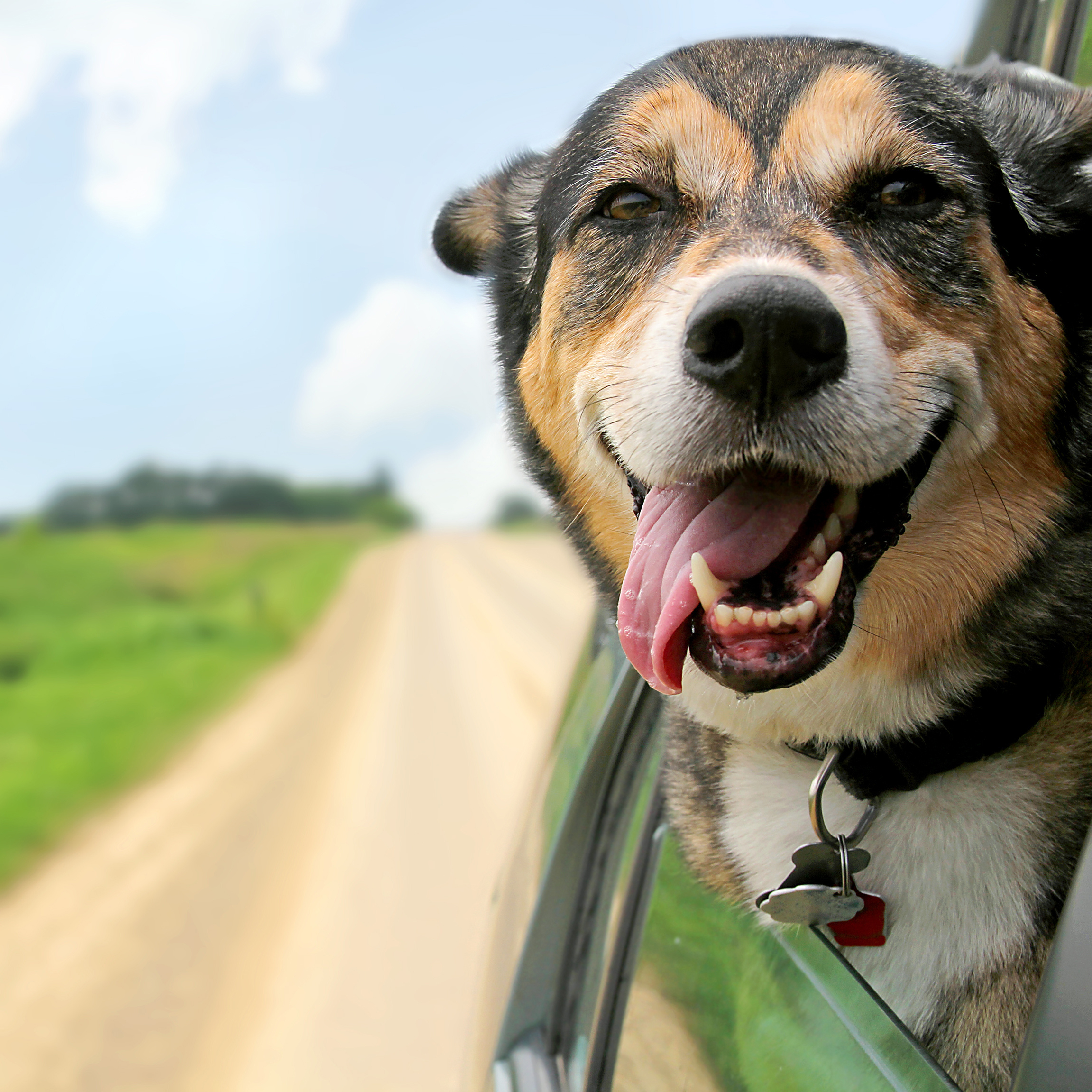
There is nothing in the world quite like the pure, unadulterated joy of watching a dog play. The happy chaos of a game of fetch, the zoomies that erupt out of nowhere, the gleeful leap onto the couch for a cuddle—these moments are the currency of our lives with our furry best friends.
So, when that vibrant energy begins to fade, when the leaps become hesitant and the zoomies are replaced by a slow, careful walk, it can be heart-wrenching. One of the most common culprits behind this slowdown is arthritis.
The word "arthritis" can sound heavy and scary, conjuring images of chronic pain and a diminished quality of life. But here’s the good news: while arthritis is a progressive condition, it is absolutely manageable. Think of it not as an end to the fun, but as a new chapter in your dog's life—one where you, their loving owner, get to become an expert in comfort, care, and canine wellness. This guide is all about empowering you to do just that.
What Exactly Is Arthritis in Dogs?
Before we can tackle the problem, let's get friendly with what we're dealing with. In the simplest terms, arthritis is inflammation of the joints. The most common type in dogs is osteoarthritis, also known as Degenerative Joint Disease (DJD).
Imagine your dog’s joints are like a well-oiled hinge. The ends of the bones inside the joint are covered with a super-smooth, slippery layer of cartilage. This cartilage acts as a natural cushion and shock absorber, allowing the bones to glide over each other effortlessly. A healthy joint is also filled with a thick, viscous fluid that keeps everything lubricated.
With osteoarthritis, that smooth cartilage begins to break down over time due to age, injury, genetics, or excess weight. As the cushion thins and wears away, the bones start to rub against each other. Ouch! This friction causes inflammation, stiffness, and pain. The body tries to repair the damage by creating new bone around the joint, leading to bone spurs that can make movement even more difficult.
It’s a gradual process, which is why the signs can be so subtle at first.
Playing Pet Detective: Spotting the Sneaky Signs of Arthritis
Dogs are masters of hiding their pain. It’s an instinct left over from their wild ancestors, where showing weakness could make them a target. This means it’s up to us to put on our detective hats and look for the clues. You know your dog better than anyone, so you’re the perfect person for the job!
Here are some of the signs, ranging from obvious to subtle, that might suggest joint pain is at play:
-
The "Tin Man" Walk: Is your dog particularly stiff and slow to get moving after a nap or first thing in the morning? This is a classic sign. They often "warm-up" out of it as they move around a bit.
-
Reluctance to Be a Superhero: That once-effortless leap onto the bed or into the back of the car now seems like a monumental task. They might hesitate, try and fail, or look to you for a boost. Stairs can also become their nemesis.
-
Slowing Down on Adventures: Are your walks getting shorter? Does your dog lag behind, sit down frequently, or seem less enthusiastic about that trip to the park?
-
A Subtle Limp or Favoring a Leg: This is often more noticeable after a long walk or a vigorous play session. They might hold one paw up slightly or shift their weight to their "good" legs.
-
Behavioral Changes: Pain can make anyone grumpy. A normally sweet-natured dog might become irritable, snap when touched in a sore spot, or withdraw from family activities. They might seek solitude more often.
-
Excessive Licking or Chewing: Is your dog obsessively grooming one particular joint, like a wrist or a knee? This is often their way of trying to soothe the ache.
-
Muscle Atrophy: If a leg is painful to use, a dog will use it less. Over time, the muscles in that leg can start to shrink and look noticeably thinner than the others.
-
Difficulty Finding a Comfy Spot: You might notice your dog circling more, getting up and down repeatedly, and struggling to settle into a comfortable position to rest.
If you’re nodding along to any of these points, the very first and most important step is to schedule a visit with your veterinarian. They can perform a physical exam, and possibly take X-rays, to confirm a diagnosis and rule out any other underlying issues. A proper diagnosis is the foundation of a successful management plan.
Your Comfort Toolkit: A Multi-Pronged Approach to Relief
Once you and your vet have confirmed that arthritis is the issue, it’s time to build your comfort toolkit. The best approach isn’t about finding a single "magic bullet," but about combining several strategies to support your dog from every angle.
This is, without a doubt, the single most impactful thing you can do for an arthritic dog. Every extra pound your dog carries is extra stress on their already sore joints. Think about it: if you had a sore knee, would you want to walk around all day carrying a heavy backpack? Of course not!
Losing even a small amount of weight can provide a massive amount of relief. Your vet is your best partner here. They can help you determine your dog's ideal body condition and create a safe, effective weight-loss plan with the right food and portion sizes. It’s a change that pays huge dividends in comfort and mobility.
It might seem counterintuitive to exercise a dog with sore joints, but the right kind of movement is crucial. Gentle, consistent exercise helps to keep the remaining cartilage healthy, strengthens the supporting muscles, and prevents the joints from becoming even stiffer.
-
Superstar Exercise: Swimming! Swimming is the gold standard for arthritic dogs. The water supports their body weight, taking all the pressure off their joints while allowing them to move and build muscle. Many veterinary rehabilitation centers offer pools or underwater treadmills for this purpose.
-
Leash Walks are Lovely: Ditch the high-impact games of frisbee and marathon fetch sessions. Instead, opt for shorter, more frequent leash walks. Aim for soft surfaces like grass or dirt trails over hard pavement whenever possible.
-
Listen to Your Dog: Pay close attention to their cues. If they seem tired or start to limp, it’s time to head home. The goal is gentle movement, not exhaustion.
You can make some simple modifications around your home that will make a world of difference for your dog's daily comfort.
-
Upgrade Their Bed: An orthopedic, memory-foam dog bed provides superior support and cushions aching joints. Place it in a warm, draft-free spot where they love to rest.
-
Add Ramps and Rugs: A ramp can make getting onto the couch or into the car a pain-free experience again. If you have hardwood or tile floors, lay down area rugs and runners. Slippery floors are a major hazard for an unsteady dog, as they have to tense their muscles and joints just to stay upright.
-
Elevate Their Bowls: Raised food and water bowls can reduce strain on the neck and front limbs, making mealtime more comfortable.
-
Keep Nails Trimmed: Long nails can change the way a dog's foot meets the ground, altering their posture and putting unnatural stress on their joints. A simple nail trim is an easy win!
The pet wellness market is full of joint supplements, and for good reason—many of them can be incredibly helpful! They work by providing the body with the building blocks it needs to support joint health and reduce inflammation. Always chat with your vet before starting a new supplement to ensure it's right for your dog and to get the correct dosage.
-
Glucosamine and Chondroitin Sulfate: These are the dynamic duo of joint supplements. They are natural components of cartilage and help to slow its deterioration while supporting joint lubrication.
-
Omega-3 Fatty Acids: Found in fish oil, these essential fatty acids are powerful natural anti-inflammatories. They can help reduce the inflammation in the joints that causes pain.
-
Other Players: You may also hear about MSM (a natural sulfur compound with anti-inflammatory properties), ASU (avocado/soybean unsaponifiables), and Green-Lipped Mussel, all of which have shown promise in supporting joint health.
Beyond what you can do at home, your veterinarian has a whole arsenal of medical treatments that can provide significant relief.
-
Medications: Non-steroidal anti-inflammatory drugs (NSAIDs) specifically designed for dogs are often a cornerstone of arthritis management. They are very effective at reducing pain and inflammation, but they must be prescribed and monitored by your vet, as they can have side effects.
-
Physical Rehabilitation: Just like for humans, physical therapy can work wonders. A certified canine rehabilitation therapist can guide your dog through specific exercises, therapeutic massage, and other modalities to improve strength and mobility.
-
Complementary Therapies: Many dogs find amazing relief from treatments like acupuncture, which can help block pain signals, and cold laser therapy, which uses light energy to reduce inflammation and promote healing at a cellular level.
-
Injectable Joint Support: Medications like Adequan are "disease-modifying" drugs that can be injected to help protect cartilage and improve the quality of joint fluid.
A New Outlook, a Happy Dog
An arthritis diagnosis isn't a farewell to happy days; it's an invitation to tune in more deeply to your dog's needs. It's about celebrating the gentle walks instead of the frantic sprints. It's about finding joy in a cozy cuddle on an orthopedic bed instead of a jarring leap onto the couch.
By being proactive, observant, and working as a team with your veterinarian, you can build a comprehensive plan that keeps your beloved companion comfortable, happy, and engaged in life. Seeing that spark return to their eyes and a little more spring in their step is one of the most rewarding experiences a pet owner can have. Here's to many more years of happy tail wags and shared adventures, no matter the pace.
