Your Senior Pet Still Wants to Play
Posted on July 29, 2025 by Furry Paw Gifts
Watching your once-energetic puppy or kitten slow down can be one of the toughest parts of pet ownership. That dog who used to fetch for hours might now prefer a gentle sniff around the yard, or your cat who once pounced on every moving shadow might spend most of the day sunbathing. But here's the thing – just because they're moving slower doesn't mean they've lost their love for play.
Senior pets still crave mental stimulation and gentle physical activity. They just need us to meet them where they are now, not where they used to be. And honestly? Some of the best bonding moments happen when we slow down and enjoy a more relaxed pace together.
When Does "Senior" Actually Start?
This might surprise you, but pets age at different rates depending on their size and breed. Generally speaking, cats and small dogs are considered seniors around 7-10 years old, while larger dogs might hit senior status as early as 5-6 years. But don't get too hung up on numbers – every pet is different.
The real signs to watch for aren't about age, but about changes in behavior. Maybe they're not jumping onto the couch as easily, they seem stiffer in the mornings, or they're just not as interested in that intense game of tug-of-war anymore. These are all normal parts of aging, not reasons to give up on fun altogether.
The "Goldilocks Zone" of Senior Play
The trick with older pets is finding that sweet spot – not too much, not too little, but just right. Too much activity can leave them sore and exhausted, while too little can lead to muscle loss, weight gain, and that awful cycle where they feel worse because they're moving less.
Think of it like switching from high-intensity interval training to yoga. Both are exercise, both are beneficial, but one is definitely gentler on aging joints and muscles.
Mental Games for the Wise Ones
Here's something cool about older pets – they've often gotten smarter over the years. While their bodies might be slowing down, their brains are still sharp and ready for a challenge. This is where mental stimulation becomes your best friend.
Sniff Games Are Gold: Your senior dog's nose is still working perfectly, so hide treats around the house or yard and let them use their detective skills. It's low-impact but incredibly engaging. Even arthritic dogs can enjoy a good treasure hunt at their own pace.
Puzzle Feeders with a Twist: Choose puzzle toys that don't require a lot of physical manipulation. Sliding puzzles, slow-feeder bowls, or treat-dispensing balls that just need a gentle push work great. Avoid anything that requires jumping, aggressive pawing, or lots of movement.
Interactive Feeding: Instead of just putting their food in a bowl, make mealtime more interesting. Scatter feeding (spreading kibble across a large towel or mat) lets them "forage" without any high-impact activity.
Gentle Physical Fun
Senior pets still need to move – it keeps their joints lubricated and muscles strong. The key is keeping it gentle and brief.
Short and Sweet Walks: Multiple short walks are often better than one long one. Even a 10-minute stroll around the block can be perfect exercise for a senior dog.
Swimming if Possible: If your dog has access to safe water, swimming is fantastic low-impact exercise. The water supports their joints while still giving them a good workout.
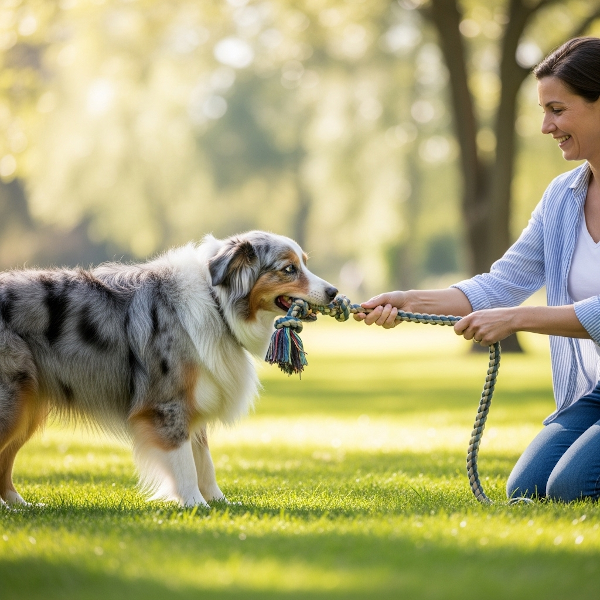
Gentle Tug Games: You can still play tug-of-war, just dial down the intensity. Let them win more often, use softer toys, and keep sessions short.
Laser Pointers with a Purpose: For senior cats, laser pointers can still be fun, but always end the session with a real toy they can actually "catch." This gives them the satisfaction of completing the hunt without all the crazy acrobatics.
Comfort is King
Older pets often deal with arthritis, decreased vision, or other age-related changes that affect how they play. Making small adjustments can make a huge difference in their comfort level.
Soft Surfaces: Provide non-slip rugs or yoga mats for play areas. Hard floors can be slippery and intimidating for pets with mobility issues.
Easy Access: Keep favorite toys at ground level. No more expecting them to jump up to get their favorite stuffed animal.
Warm-Up Time: Just like us, older pets benefit from a gentle warm-up. A few minutes of slow walking or gentle stretching (yes, pets can learn basic stretches!) before playtime helps prevent injury.
Temperature Matters: Senior pets often feel the cold more acutely. Warm, sunny spots for play sessions can make them feel much more comfortable and willing to engage.
Signs to Slow Down (Or Call the Vet)
While we want to keep senior pets active, it's important to recognize when they need a break or when something might be wrong:
- Heavy panting that doesn't stop quickly after gentle activity
- Limping or obvious pain during or after play
- Refusing to participate in activities they used to enjoy
- Excessive stiffness that doesn't improve with gentle movement
- Any sudden changes in behavior or mobility
When in doubt, check with your vet. Sometimes what looks like normal aging might actually be a treatable condition that could improve their quality of life significantly.
The Emotional Side of Senior Play
Don't underestimate the mental health benefits of continued play for older pets. Staying engaged and having fun helps prevent depression and cognitive decline. Plus, it maintains that important bond between you and your furry friend.
Some of the sweetest moments happen during these gentler play sessions. There's something really special about a senior dog's tail wagging slowly but happily as they work on a puzzle toy, or an older cat purring contentedly while batting at a feather wand at half-speed.
Adapting Favorite Games
You don't have to completely reinvent playtime – often you can just modify existing favorites:
Fetch Becomes "Drop It": Instead of long throws, roll the ball a few feet and celebrate when they bring it back.
Chase Becomes Stalk: Use wand toys for cats, but move them slower and closer to the ground.
Wrestling Becomes Gentle Massage: Turn rough play into gentle petting and massaging sessions.
Creating New Traditions
Senior pet years are also a great time to start new, gentler traditions:
- Daily brushing sessions that double as bonding time
- Slow, exploratory walks where they can sniff to their heart's content
- "Spa days" with gentle massage and nail trims
- Quiet training sessions learning new, simple tricks
The Bottom Line
Your senior pet isn't asking you to stop the fun – they're just asking you to adjust the volume a little. They still want to engage with you, they still get excited about treats and toys, and they definitely still want to feel like an important part of the family.
The goal isn't to make them feel young again (though that's a nice bonus when it happens). The goal is to help them feel comfortable, engaged, and loved at whatever stage they're in right now.
Some of the most rewarding pet relationships happen during these senior years, when the frantic energy settles into something deeper and more connected. Your older pet has learned to trust you completely, and adapting their playtime to their needs is just another way of showing them that trust is well-placed.
So grab that puzzle toy, roll that ball gently across the floor, and enjoy this new chapter together. It might be different from the puppy years, but it's every bit as special.
