Keeping Your Dog Active
Posted on September 9, 2025 by Furry Paw Gifts
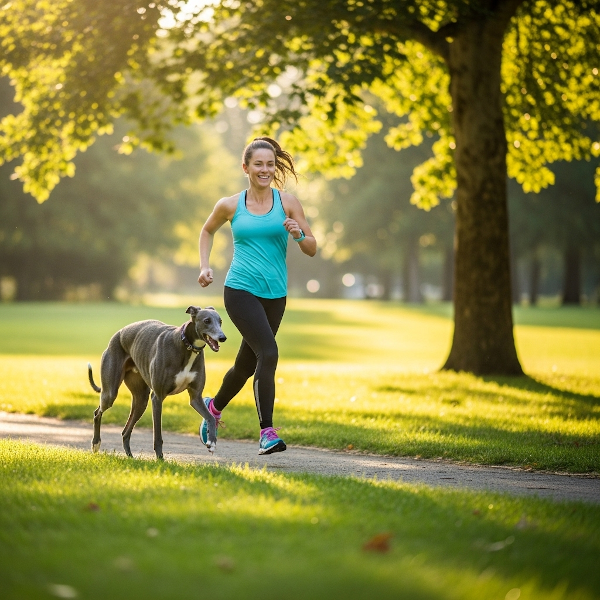
Exercise Through the Summer-to-Fall Transition
As the warm summer days gradually give way to crisp autumn mornings, many pet owners find themselves adjusting their routines. While it's tempting to slow down as the weather cools, maintaining consistent exercise for our furry companions remains just as important during seasonal transitions. In fact, the shift from summer to fall presents unique opportunities to enhance your pet's fitness routine while addressing the challenges that come with changing weather patterns.
Why Exercise Remains Crucial During Seasonal Changes
Regular physical activity isn't just about keeping your pet entertained—it's fundamental to their overall health and wellbeing. During the summer-to-fall transition, exercise becomes even more critical as pets adjust to shorter daylight hours, temperature fluctuations, and potential changes in their indoor time.
Exercise helps regulate your pet's metabolism, maintains healthy weight levels, and supports joint mobility that might otherwise stiffen during cooler weather. For many pets, consistent activity also helps manage anxiety that can arise from disrupted routines as families return to school and work schedules change.
Dogs, in particular, rely on physical activity to release pent-up energy and maintain mental stimulation. Without adequate exercise, behavioral issues like excessive barking, destructive chewing, or restlessness often emerge. Cats, while more independent, also benefit significantly from interactive play that mimics hunting behaviors and keeps them physically engaged.
Adapting Summer Exercise Routines for Fall Weather
The key to successful seasonal exercise transitions lies in gradual adaptation rather than abrupt changes. If your summer routine included early morning walks to beat the heat, you might find that fall's cooler temperatures allow for longer midday adventures. However, it's important to monitor weather conditions and adjust accordingly.
Temperature considerations become more complex in fall as days can start warm and end chilly, or vice versa. Layer your own clothing for walks so you can adjust as needed, and consider whether your pet might benefit from a light jacket or sweater, especially for short-haired breeds or senior animals.
Rain becomes more frequent in many regions during fall, so having backup indoor activities becomes essential. This is the perfect time to teach new tricks, practice agility exercises in your living room, or engage in interactive puzzle games that provide mental stimulation when outdoor exercise isn't possible.
Seasonal Exercise Opportunities
Fall presents unique advantages for pet exercise that summer's heat and intensity often don't allow. The moderate temperatures make longer hiking adventures possible, and many pets enjoy the sensory experience of walking through fallen leaves or exploring new scents that emerge as vegetation changes.
This season is ideal for introducing variety into your pet's routine. Consider activities like:
For Dogs: Extended neighborhood walks, hiking on leaf-covered trails, playing fetch in parks where the cooler weather allows for longer sessions, or trying new dog sports like agility or flyball as outdoor training becomes more comfortable.
For Cats: Increased interactive play sessions with feather toys or laser pointers, creating indoor obstacle courses using cardboard boxes and furniture, or supervised outdoor time in enclosed spaces where they can safely experience the changing seasons.
For All Pets: Swimming in still-warm bodies of water (with proper safety precautions), exploring new walking routes to take advantage of fall scenery, or participating in pet-friendly community events that often increase during the pleasant fall weather.
Health Considerations During the Transition
As seasons change, it's important to monitor your pet's health indicators more closely. Watch for signs of stiffness or reluctance to exercise that might indicate joint discomfort from cooling temperatures. Senior pets and those with arthritis may need modified exercise routines or warm-up periods before more vigorous activity.
Pay attention to your pet's paw pads during fall walks. Wet leaves can be slippery, and early frost might make surfaces unexpectedly treacherous. Additionally, be aware of seasonal hazards like mushrooms, fallen nuts that might be toxic, or increased wildlife activity as animals prepare for winter.
Hydration remains important even as temperatures cool. Pets can become dehydrated during fall exercise, particularly if they're wearing additional layers or if the weather is unexpectedly warm. Always bring water for longer outings and watch for signs of overexertion.
Creating Consistency Through Change
The most successful approach to maintaining pet exercise through seasonal transitions involves creating flexible routines that can adapt to changing conditions while maintaining core consistency. This might mean having multiple exercise options prepared so that weather, daylight, or schedule changes don't derail your pet's fitness routine.
Consider establishing both indoor and outdoor activity options, varying the intensity and duration based on daily conditions, and involving the whole family in pet exercise responsibilities so that changing schedules don't leave your pet without adequate activity.
Remember that consistency in exercise helps pets maintain not only physical health but also emotional stability during times of change. A well-exercised pet is generally a calmer, happier pet, which benefits the entire household as everyone adjusts to new seasonal rhythms.
Looking Ahead
As fall progresses toward winter, the exercise routines you establish now will serve as the foundation for year-round pet fitness. By maintaining activity levels and adapting to seasonal changes rather than simply reducing exercise, you're setting your pet up for better health, improved behavior, and enhanced quality of life regardless of what the weather brings.
The transition from summer to fall offers a perfect opportunity to refresh your pet's exercise routine, explore new activities, and strengthen the bond you share through shared physical activities. Embrace the season's unique advantages while staying committed to your pet's need for regular, engaging exercise—your furry friend will thank you with better health, improved mood, and the kind of contentment that comes from a life well-lived and actively enjoyed.
Read More: Keeping Your Furry Friends Cool And Safe This Summer
